Is Your Heat Transfer Fluid Failing? 10 Warning Signs
A free printable diagnostic checklist to catch thermal degradation, oxidation, and contamination before they cause unplanned downtime.

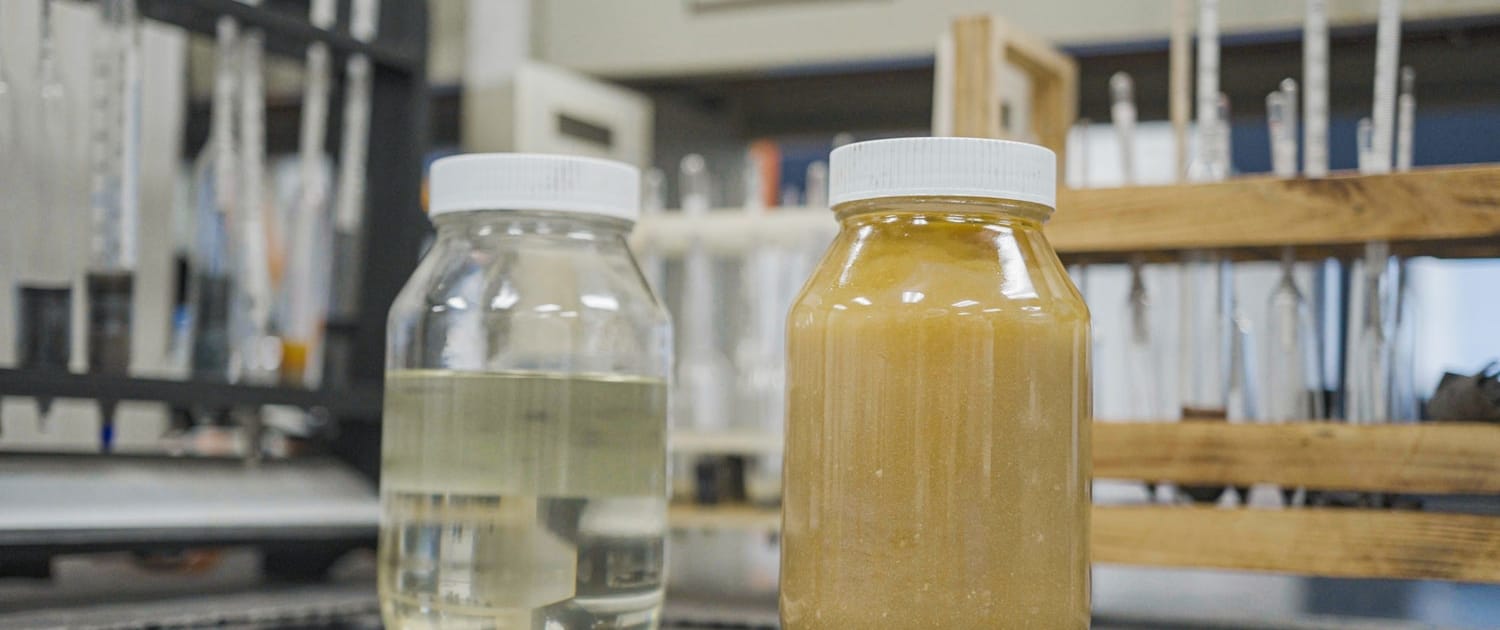
Heat transfer fluids doesn’t fail overnight. They degrade gradually through thermal cracking, oxidation, and contamination — and the early signs are easy to miss. Your system keeps running, but efficiency drops, energy costs creep up, and the fluid that’s supposed to protect your process is quietly working against it.
The problem is that most plant operators don’t have a structured way to evaluate fluid health between lab analyses. By the time degradation becomes obvious — dark fluid, pump cavitation, carbon deposits on heater tubes — the damage is already done and the cost of remediation has multiplied.
That’s why we built this diagnostic checklist. It gives you a simple, printable walkthrough you can take to your system today. Five minutes with this checklist can save months of unplanned downtime and tens of thousands of dollars in premature fluid replacement.
Fluid replacement cost savings with proactive monitoring
Warning signs every plant operator should check.
Time to complete the diagnostic walkthrough
The diagnostic checklist walks you through the 10 most reliable indicators of heat transfer fluid degradation — from subtle early warning signs to critical red flags that require immediate action. Each item includes a brief explanation of why it matters and what it tells you about your system’s condition.
Darkening indicates thermal cracking or oxidation byproducts accumulating in the system. Compare a sample against fresh fluid to assess the degree of change.
Darkening indicates thermal cracking or oxidation byproducts accumulating in the system. Compare a sample against fresh fluid to assess the degree of change.
When degraded fluid transfers heat less efficiently, your heater compensates by running harder — increasing film temperatures, energy costs, and the rate of further degradation.
Rising TAN is the earliest measurable indicator of oxidation and thermal stress. Without this baseline, you’re flying blind on fluid health.
Even thermally stable synthetic fluids accumulate low-boilers and high-boilers over time. Distillation and purification can restore fluid to original specifications.
The full checklist covers 6 additional indicators including pump cavitation, pressure drop changes, system odors, fluid loss rates, carbon buildup, and analysis frequency — plus a scoring guide to help you prioritize next steps.
One-page printable PDF with all 10 indicators, explanations, and a scoring guide. Walk through your system in 5 minutes and know exactly where you stand.
Thermal degradation is progressive. Identifying the early signs — before carbon deposits form or pump damage occurs — is the difference between a fluid treatment and a full system replacement.
Heat transfer system failures don’t wait for scheduled maintenance windows. A 5-minute diagnostic walkthrough during routine rounds can prevent costly emergency shutdowns.
Proactive monitoring and timely intervention through fluid analysis, filtration, or distillation can extend fluid life significantly and cut replacement costs by 40–60%.
Using the checklist regularly creates a documented history of system health. This data helps you make informed decisions about fluid treatment timing and budgeting.
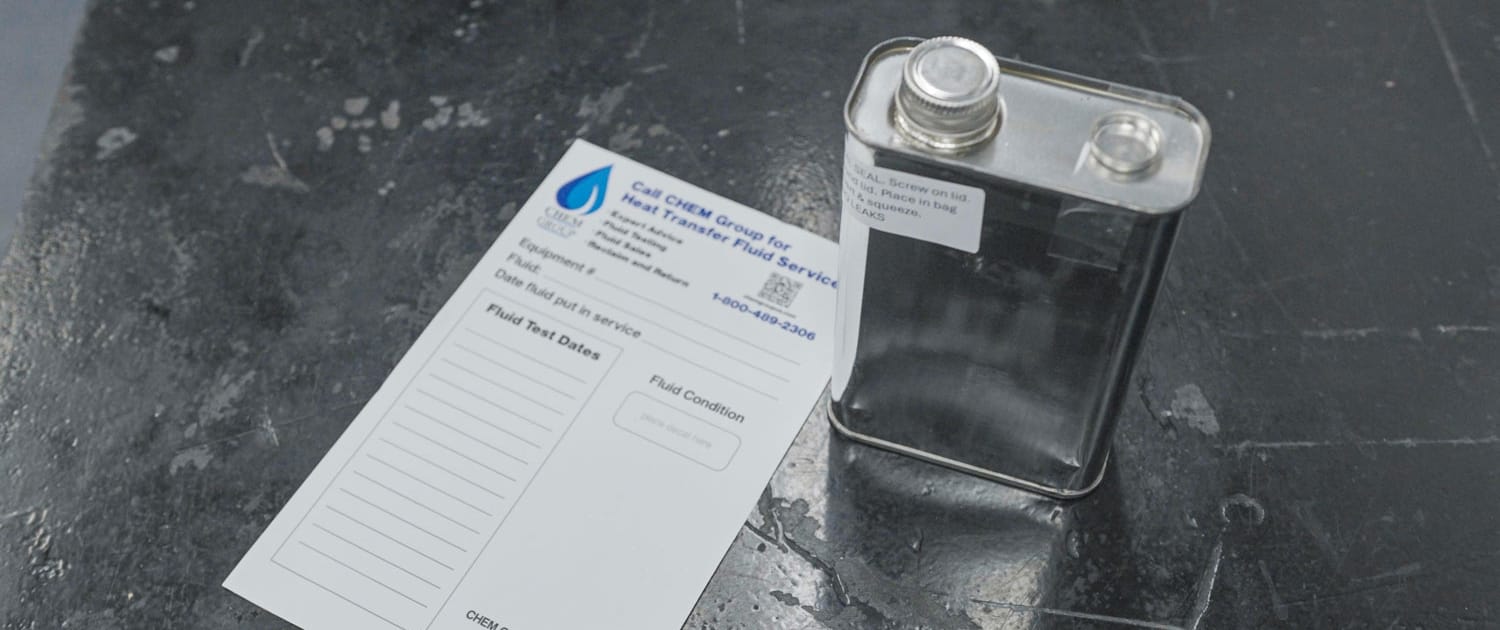
At minimum, once per quarter. If your system operates above 300°C (572°F) or runs continuously, monthly inspections are recommended. The checklist takes less than 5 minutes and can be incorporated into existing maintenance rounds.
The most common indicators include darkened fluid color, rising heater outlet temperatures, unusual odors near the expansion tank, pump cavitation or noise, increased pressure drop across the system, carbon or sludge deposits on heater tubes, and a rising total acid number (TAN). Our diagnostic checklist provides a structured way to assess all 10 key indicators during a single walkthrough.
In many cases, yes. Specialty distillation and purification can remove degradation byproducts — including low-boilers, high-boilers, and particulate contamination — and return the fluid to near-original specifications. CHEM Group has been recovering and purifying industrial heat transfer fluids through distillation for over 45 years.
Yes. The 10 diagnostic indicators apply to synthetic and mineral oil-based heat transfer fluids across all common chemistries — including biphenyl/diphenyl oxide blends (such as Thermaflo A and Dowtherm A), benzyltoluene (Thermaflo LH, Marlotherm LH), dibenzyltoluene (Thermaflo SH, Marlotherm SH), alkylated aromatics, polyalphaolefins, and food-grade white oils.
Your fluid likely needs professional laboratory analysis. CHEM Group offers complimentary fluid sampling and analysis as part of our ThermaGuard Lifecycle Care™ program. A lab analysis will confirm whether your fluid can be treated in-system, needs distillation to restore specifications, or requires replacement.
CHEM Group offers free fluid analysis as part of ThermaGuard Lifecycle Care™. We’ll test your sample and tell you exactly what’s going on — and what your options are.
 https://chemgroupus.com/wp-content/uploads/2026/05/failing-heat-tranfer-fluid.jpg
844
1500
Heath Hadley
https://chemgroupus.com/wp-content/uploads/2026/02/chem-group-logo-web-main-pad.png
Heath Hadley2026-05-13 14:11:392026-05-13 15:46:48Is Your Heat Transfer Fluid Failing? 10 Warning Signs
https://chemgroupus.com/wp-content/uploads/2026/05/failing-heat-tranfer-fluid.jpg
844
1500
Heath Hadley
https://chemgroupus.com/wp-content/uploads/2026/02/chem-group-logo-web-main-pad.png
Heath Hadley2026-05-13 14:11:392026-05-13 15:46:48Is Your Heat Transfer Fluid Failing? 10 Warning Signs